What is verbatim transcription and why accuracy matters
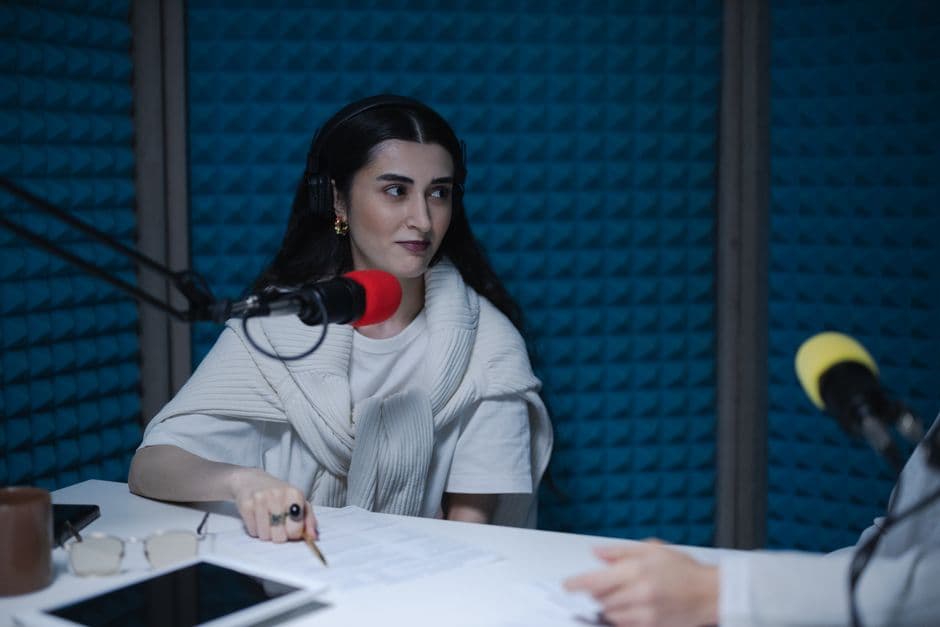
Verbatim transcription is a word-for-word record of audio that captures every utterance, stutter, and filler word. It is the gold standard for data integrity in legal, medical, and research contexts, where a single missing word can change the meaning of a testimony or diagnosis.
Two main styles exist: full verbatim, which preserves every sound including non-verbal cues, and clean verbatim, which removes fillers for readability while keeping the core message intact. Choosing between them depends on the document's purpose.
AI tools like VOOK.AI now reach 98% accuracy, hosted in the EU with encryption at rest, making secure and precise verbatim transcription accessible to professionals.
Verbatim transcription provides a word-for-word record of audio, capturing every utterance, stutter, and filler. In legal and medical sectors, where a single missing word can alter the meaning of a testimony or diagnosis, this method serves as the gold standard for data integrity.
This article explores what verbatim transcription is, the difference between full and clean verbatim, and how to balance raw accuracy with professional clarity. Start your free trial with VOOK.AI to ensure your records remain both precise and actionable.
Verbatim Transcription & Word-for-Word Accuracy
Verbatim transcription provides a word-for-word record of audio, capturing every utterance, stutter, and filler. It serves as the gold standard for legal and research data integrity, distinguishing itself from edited summaries by preserving raw linguistic nuances. By utilizing secure AI transcription hosted in the EU, professionals rely on this precision to ensure no detail is lost. The choice between different verbatim styles remains a strategic decision based on the final document's purpose.
Transitioning from the general definition to technical execution requires understanding how specific details impact the final text.
Full Verbatim vs. Clean Verbatim Nuances
Full verbatim captures the raw reality of speech. It includes every «um,» «ah,» and false start without exception. This method ensures absolute transparency, which is vital for analyzing speech patterns or emotional states during high-stakes interviews. VOOK.AI delivers this level of detail with up to 98% accuracy.
Clean verbatim removes these fillers to boost readability. It maintains accuracy while producing a professional document for corporate reports. This version stays true to the speaker's message but eliminates distracting verbal tics.
Choosing between them depends on your goal. Context dictates the necessary detail level.
Non-Verbal Cues as Critical Data Points
Non-verbal cues like laughter or long pauses add layers of meaning. They reveal hesitation or confidence that words alone cannot convey. These markers prevent significant misinterpretations in sensitive audio analysis. In professional settings, a three-second silence often speaks louder than a sentence.
Including these elements transforms a simple text into a behavioral map. Researchers rely on these cues to code psychological responses. Every sigh or cough serves as a specific data point. Without these indicators, the transcript loses its human depth and professional utility.
Omitting them risks losing the speaker's intent. Precision requires capturing the entire soundscape.
High-Stakes Applications in Research and Law
While general transcription serves basic needs, specific industries demand a more rigorous approach to documentation to ensure total accountability.
Legal Proceedings and Medical Documentation
Exact records are mandatory in courtrooms to avoid liability and ensure justice. A single missing word can alter the meaning of a testimony. Legal professionals use these transcripts to build cases and verify facts during cross-examinations or appeals.
Medical consultations also require precise documentation for patient safety. Accurate transcripts help maintain professional standards. You can find more details on the verbatim transcription of legal proceedings in academic archives. These records are vital for clinical continuity.
Compliance with industry regulations is non-negotiable here. Verbatim ensures that nothing is left to memory or chance.
Qualitative Research and Behavioral Analysis
Academic studies utilize verbatim detail for thematic coding. Researchers analyze how subjects speak, not just what they say. This linguistic integrity is vital for studying complex social patterns effectively.
Using verbatim transcription correctly offers several advantages for high-level analysis:
• Preserving raw data for maximum accuracy.
• Enabling secondary analysis by other teams.
• Capturing group dynamics and social cues.
• Ensuring transparency in methodology and results.
Researchers often compare different styles, such as the comparison between verbatim and fair note methods, which impacts the depth of the study.
Data integrity drives valid conclusions. Skipping details compromises the entire study.
Balancing Raw Integrity with Text Readability
Finding the sweet spot between a raw data dump and a polished document is the primary challenge for modern transcription workflows.
Preserving Tone and Emotional Context
Word choice and hesitation patterns reflect a speaker's true emotional state. A nervous stutter or a confident pause tells a story that edited text hides. Keeping these verbal tics provides a complete understanding of the recorded dialogue's subtext.
Tone is often lost in translation from audio to paper. Verbatim acts as a bridge for this gap, capturing the raw energy of the original conversation.
Context is king in professional analysis. Every «uhm» might signal a crucial moment of doubt or realization.
Optimizing Transcripts for Structured Analysis
Transitioning from raw audio to organized text allows for advanced analysis. Structured data is easier for LLMs to process. This step turns noise into actionable insights for teams.
Professionals often ask what a professional transcript looks like when evaluating quality. Integrating Timestamped Transcription ensures every word remains anchored to the source audio for verification.
High-quality audio files are the foundation of success. Minimize background noise and use professional microphones whenever possible.
Clear input leads to clean output. Preparation saves hours of manual correction later.
Reliable AI Transcription & Data Sovereignty
Technology now bridges the gap between manual labor and speed, but only if security and precision remain the top priorities.
Achieving 98% Accuracy with Automated Tools
AI has evolved to rival human review in precision. Modern tools handle complex terminology and various accents with ease. VOOK.AI delivers 98% accuracy, meeting the high demands of professional users who cannot afford errors in their documents.
A comparison of key features across transcription solutions:
Accuracy: Traditional AI approx. 62% vs. VOOK.AI 98% — reliable transcripts.
Data Hosting: Global/US vs. Europe (EU) — legal compliance.
Encryption: Standard vs. at rest — data protection.
AI Chat Integration: Rarely available vs. Unlimited Chat — instant analysis.
Professionals must prioritize quality, and choosing the best speech-to-text software for professionals ensures your verbatim transcription needs are met accurately.
European Data Sovereignty and Privacy Protocols
European hosting ensures your sensitive data stays within strict legal jurisdictions. Encryption at rest protects transcripts from unauthorized access. This focus on sovereignty is a core professional requirement.
Security remains a top priority. Explore our GDPR Transcription and Speaker Identification Online tools for compliant workflows.
Secure speaker identification and timestamps make document navigation efficient. These features allow users to find specific quotes in seconds.
Privacy is not an option; it is a necessity. Trust is built on robust security protocols.
FAQ
Verbatim transcription is the process of converting audio or video into a word-for-word written record, capturing every utterance, filler word, stutter, and false start. Unlike edited summaries, it provides a completely faithful reproduction of the original speech.
In high-stakes environments such as legal proceedings or medical documentation, this approach serves as the gold standard for data integrity, eliminating the risk of misinterpretation and preserving raw linguistic nuances.
Full verbatim captures every sound including non-verbal cues like laughter or long pauses, making it essential for legal proceedings and psychological research where behavioral markers are critical data points.
Clean verbatim removes non-essential fillers and repetitions to improve readability while maintaining full accuracy of the core message, making it the preferred style for corporate reports and academic thematic analysis.
In the legal sector, a single missing word can alter the entire meaning of a testimony, making verbatim records an essential fact-base for cross-examinations and appeals. For researchers, these transcripts enable deep thematic coding and the analysis of social patterns that edited texts cannot provide.
Including non-verbal cues such as sighs, pauses, or tone shifts transforms a transcript into a behavioral map, offering insight into a speaker's emotional state that is critical for qualitative research and behavioral analysis.
Yes, depending on the chosen level of detail. In full verbatim, non-verbal cues such as laughter, sighs, or significant pauses are included because they reveal hesitation or confidence that words alone cannot convey, preventing misinterpretation in sensitive audio analysis.
For professionals in behavioral science or legal discovery, these sounds serve as specific data points that corroborate or contradict the verbal message, providing a holistic understanding of the interaction.
About the author
